
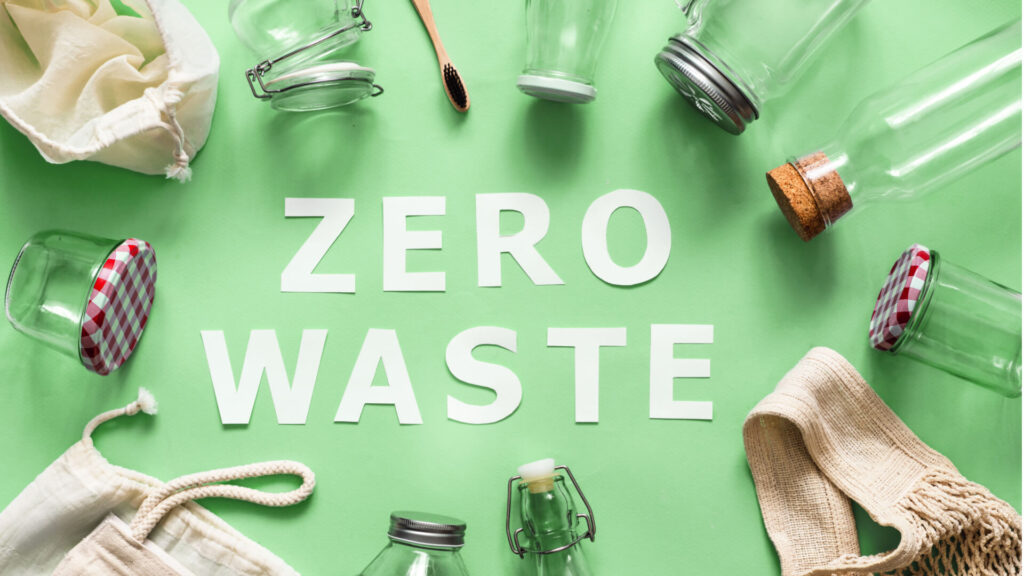
In a world overwhelmed by pollution, climate change, and overflowing landfills, more people are turning to zero-waste living—a lifestyle that focuses on reducing the waste we generate and rethinking the way we consume.
But going zero-waste doesn’t mean perfection. It means progress, one step at a time.
This beginner-friendly guide will walk you through 15 practical and realistic ways to embrace zero-waste living and make a real difference for the planet—without feeling overwhelmed.
🌱 What is Zero-Waste Living?
Zero-waste living is a lifestyle that aims to send as little waste as possible to landfills, incinerators, or the ocean. Instead of following a linear “take-make-dispose” model, it promotes a circular system where resources are reused, recycled, or composted.
The key goals:
- Reduce what you consume
- Reuse what you already have
- Recycle responsibly
- Compost organic waste
- Refuse unnecessary items (especially single-use plastics)
♻️ Why Choose a Zero-Waste Lifestyle?
Adopting a zero-waste mindset can:
- Help you save money over time
- Lower your carbon footprint
- Reduce plastic pollution in oceans
- Encourage mindful consumption
- Protect wildlife and ecosystems
- Improve health by avoiding toxic materials
It’s not about being perfect—it’s about doing what you can, where you are, with what you have.
✅ 15 Practical Steps to Start Your Zero-Waste Journey
1. Do a Waste Audit
Spend a few days noting what you throw away. You’ll quickly see patterns—like plastic packaging, food scraps, or paper towels—and know where to focus first.
2. Say No to Single-Use Plastics
Refuse plastic bags, cutlery, straws, and water bottles. Opt for reusable alternatives like:
- Stainless steel straws
- Cloth bags
- Bamboo cutlery
- Glass water bottles
3. Switch to a Reusable Coffee Cup
If you buy coffee daily, carry a reusable mug. Many cafes now offer discounts for customers who bring their own cups.
4. Shop in Bulk
Buy grains, nuts, spices, and snacks from bulk bins using your own containers. This cuts down on packaging waste and often saves money.
5. Choose Refill Stations
For essentials like dish soap, laundry detergent, and shampoo, find local refill stations or zero-waste stores.
6. Ditch Paper Towels
Use cloth rags or old t-shirts cut into squares. They’re washable, reusable, and reduce unnecessary paper waste.
7. Compost Food Scraps
If possible, start composting at home or join a community composting group. This reduces methane emissions from landfills and enriches soil.
8. Use Bars Instead of Bottles
Swap liquid soaps, shampoos, and conditioners for solid bars. They last longer and come with minimal packaging.
9. Carry a Zero-Waste Kit
Keep a small kit in your bag with:
- A reusable water bottle
- Cutlery set
- Shopping bag
- Napkin
- Food container
10. Buy Secondhand
From clothes and furniture to electronics and books—secondhand shopping supports sustainability and helps reduce demand for new resources.
11. Repair Before Replacing
Mend clothes, fix broken gadgets, and learn basic DIY. It saves money and keeps items out of landfills.
12. Go Digital
Switch to digital receipts, e-books, online bills, and paperless banking to reduce paper waste.
13. Support Zero-Waste Brands
Choose companies that offer:
- Minimal or compostable packaging
- Recyclable containers
- Ethical production practices
Bonus: Many offer take-back programs or refills.
14. Recycle Properly
Learn your local recycling rules and sort materials correctly. Contaminated recyclables often end up in landfills.
15. Educate and Influence
Share your journey with friends and family. Lead by example—your small actions can inspire bigger change in your community.
🌍 Progress Over Perfection
Zero-waste living isn’t about throwing out everything plastic in your house or fitting all your yearly trash in a mason jar. It’s about making better choices, more often, and being mindful of the impact your actions have on the planet.
Even if you just take one step from this list, you’re already making a difference.
💡 Final Thoughts
Transitioning to a zero-waste lifestyle is one of the most empowering and impactful things you can do. It’s not only about reducing waste, but also about living with intention, valuing resources, and protecting the Earth for future generations.
Start small. Stay consistent. And remember: every piece of trash you avoid is one less in the landfill.