

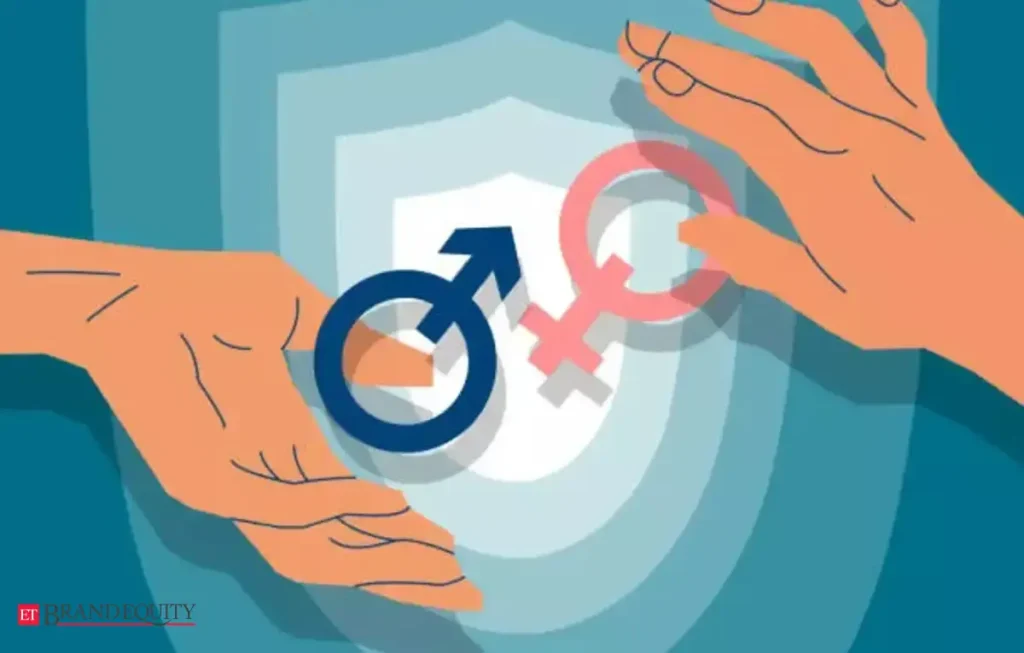
Sexual wellness is a vital part of our overall health, yet it remains one of the most misunderstood and stigmatized topics. Misinformation, cultural taboos, and outdated beliefs have clouded the truth, leaving many individuals confused about their own bodies, desires, and rights.
In this blog, we aim to shed light on common myths surrounding sexual wellness for both men and women—and present the facts backed by science and modern understanding.
🌸 What Is Sexual Wellness?
Sexual wellness is more than just the absence of disease or dysfunction—it’s a holistic state of physical, emotional, mental, and social well-being in relation to sexuality. It includes:
- Understanding and respecting your own body
- Having safe and consensual sexual experiences
- Accessing education and healthcare without shame
- Feeling confident, satisfied, and empowered
Whether you’re single, married, dating, or exploring, sexual wellness should be a positive and empowering part of your life.
🔍 Common Myths & the Truth Behind Them
Let’s break down some of the most common myths that have shaped our views on sexuality—and replace them with facts that promote awareness, confidence, and self-love.
💬 Myth 1: Men Are Always Ready for Sex
✅ Fact: Men can experience low libido, performance anxiety, and emotional disconnect too. Stress, depression, hormonal changes, and relationship issues can all affect male sexual drive.
What’s healthy? Open conversations, seeking medical advice when needed, and breaking the stigma that men must always be “in the mood.”
💬 Myth 2: Women Don’t Enjoy Sex as Much as Men
✅ Fact: Women are just as capable of enjoying and desiring sex. However, emotional connection, mental stimulation, and feeling safe are often critical components for female arousal.
Tip: Encourage open dialogue, emotional intimacy, and focus on pleasure—not just performance.
💬 Myth 3: Sex Toys Are Only for People Without a Partner
✅ Fact: Sex toys enhance intimacy and solo pleasure. Couples use them to spice up their relationship, explore new sensations, and improve sexual wellness together.
Try This: Products like remote-controlled toys or massagers can be a fun addition to couples’ play or self-care.
💬 Myth 4: Erectile Dysfunction Only Happens to Older Men
✅ Fact: Men of all ages can experience erectile dysfunction (ED). It’s not always about age—it can result from stress, poor diet, smoking, medication, or relationship tension.
Solution: ED is treatable. Don’t self-medicate—consult a qualified doctor for guidance.
💬 Myth 5: Pain During Sex Is Normal for Women
✅ Fact: While many women experience pain during sex, it’s not normal or something to accept. It could signal issues like dryness, infections, or underlying health conditions.
What to Do: Consult a gynecologist, consider lubricants, and never ignore discomfort.
💬 Myth 6: Masturbation Is Unhealthy
✅ Fact: Masturbation is a natural and safe way to explore your body, reduce stress, and improve sleep. It’s part of a healthy sexual lifestyle for both men and women.
Good to Know: It does not cause blindness, infertility, or weakness—those are all baseless myths.
💬 Myth 7: Only Men Have Sexual Fantasies
✅ Fact: Women have fantasies too—and they’re just as diverse. Fantasies are a healthy part of sexual expression and help deepen intimacy when shared consensually.
💬 Myth 8: You Can Tell Someone Has an STI Just by Looking
✅ Fact: Many sexually transmitted infections (STIs) show no visible symptoms. Relying on visual cues is dangerous.
Best Practice: Always use protection and get regularly tested with your partner.
💬 Myth 9: Your Libido Should Stay the Same Throughout Life
✅ Fact: Sex drive fluctuates due to age, hormones, life events, or emotional changes—and that’s completely normal.
Tip: Stay patient with yourself and your partner. Focus on connection, not comparison.
💬 Myth 10: You Don’t Need Sex Education If You’re in a Relationship
✅ Fact: Even adults in long-term relationships benefit from learning about consent, anatomy, communication, and sexual health.
Knowledge = Empowerment—no matter your age or relationship status.
🧠 Why Busting These Myths Matters
Misinformation leads to shame, fear, and unfulfilled relationships. By challenging these myths:
- We reduce stigma
- Encourage open, judgment-free communication
- Empower individuals to prioritize their health and pleasure
Sexual wellness isn’t something to be whispered about—it’s a pillar of total well-being.
🌟 Tips to Support Your Sexual Wellness
- Schedule regular check-ups with a healthcare provider.
- Use condoms and protection to prevent STIs.
- Talk openly with your partner about needs, fantasies, and boundaries.
- Explore pleasure with or without a partner—guilt-free.
- Educate yourself with verified resources or sex-positive professionals.
- Try wellness tools like lubricants, kegel balls, or couples’ toys.
- Practice self-love—a fulfilling sex life starts with confidence and body respect.
💬 Final Thoughts
Sexual wellness is deeply personal, but it thrives in a space of truth, safety, and empowerment. Let’s let go of outdated myths and embrace facts that promote healthier, happier intimate lives—for both men and women.
Whether you’re rediscovering your desires, exploring pleasure, or simply learning to love your body—you deserve wellness without shame.