
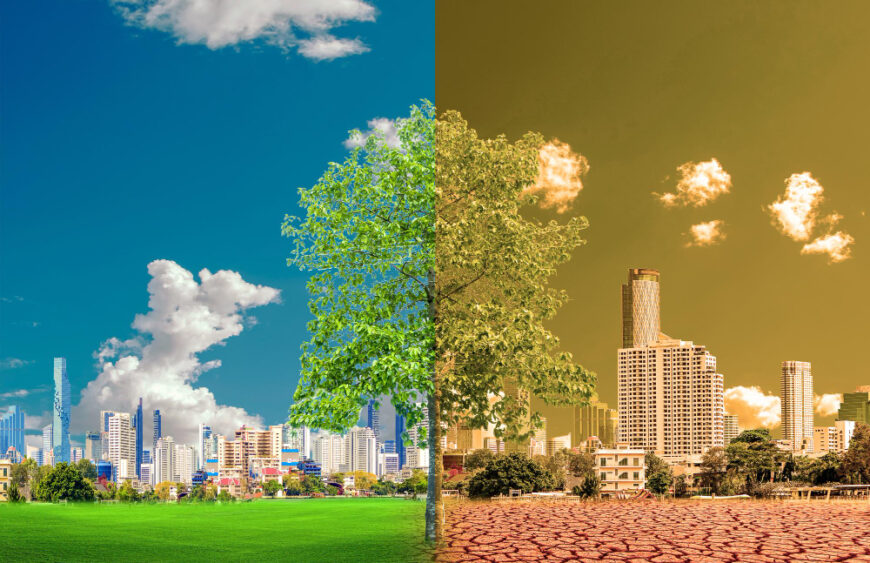
Climate change isn’t just something happening far away or in the future. It’s affecting you—right here, right now.
From the food you eat to the air you breathe, climate change is influencing nearly every aspect of daily life. But here’s the good news: you’re not powerless. There are practical, meaningful steps you can take to reduce your impact and become part of the solution.
In this article, we’ll break down exactly how climate change is touching your everyday life—and what you can do about it.
🌍 What Is Climate Change, Really?
Climate change refers to long-term changes in global temperatures and weather patterns, mainly caused by human activities like burning fossil fuels, deforestation, and large-scale industrialization.
These activities increase the concentration of greenhouse gases (GHGs) in the atmosphere, trapping heat and warming the planet. The result? More extreme weather, rising sea levels, disrupted ecosystems, and shifting climate patterns worldwide.
🔍 How Climate Change Affects Your Daily Life
You may not realize it, but the effects of climate change are already woven into your routines. Here’s how:
1. Rising Food Prices & Shortages
Climate change disrupts agriculture by:
- Increasing droughts and floods
- Shifting growing seasons
- Reducing crop yields
This leads to higher grocery bills, food scarcity in some regions, and lower nutritional quality of food.
2. Air Quality & Health
Hotter temperatures contribute to increased air pollution and allergens like pollen. This can worsen:
- Asthma and respiratory issues
- Allergies
- Cardiovascular diseases
Even healthy individuals may feel tired, experience headaches, or have trouble breathing during high pollution days.
3. More Extreme Weather Events
Severe storms, wildfires, floods, and heatwaves are becoming more frequent and intense. These can:
- Damage homes and infrastructure
- Disrupt travel plans
- Impact mental health
- Increase insurance costs
You may already be adjusting your routine based on weather more than you used to.
4. Water Shortages & Higher Utility Bills
Longer droughts and changing rainfall patterns lead to water shortages. You may experience:
- Water usage restrictions
- Increased water bills
- Poor water quality in some areas
Likewise, higher temperatures drive up energy use for air conditioning, raising your electricity bills.
5. Disrupted Travel and Commutes
Storms and flooding frequently impact roads, flights, and railways. Rising sea levels threaten coastal infrastructure, meaning you might face more travel delays or relocations in the future.
6. Mental Health Impacts
The constant news of wildfires, species extinction, or natural disasters can lead to climate anxiety, stress, or feelings of helplessness. Add in real-life disruptions like floods or heatwaves, and the toll on mental well-being becomes real.
✅ What You Can Do — Realistic Steps That Matter
While government policies and corporate responsibility are crucial, individual actions collectively play a powerful role in climate solutions.
Here are practical things you can do starting today:
1. Switch to Renewable Energy (Where Possible)
If your provider offers it, opt for green energy plans from wind or solar sources. If you own a home, consider installing solar panels—it may even cut costs long-term.
2. Drive Less, Bike More, or Go Electric
Transport is a major source of carbon emissions. You can:
- Use public transportation
- Carpool
- Walk or bike for short trips
- Consider hybrid or electric vehicles
3. Eat with the Planet in Mind
Shifting your diet is one of the most powerful personal climate actions:
- Eat more plant-based meals
- Reduce red meat and dairy
- Buy seasonal, local, and organic when possible
- Cut food waste by planning meals and using leftovers
4. Reduce, Reuse, Recycle (and Rethink)
- Avoid single-use plastics
- Repair instead of replacing
- Buy secondhand
- Recycle correctly
- Question every purchase—“Do I really need this?”
5. Support Sustainable Brands and Businesses
Spend your money wisely by supporting companies that:
- Use sustainable practices
- Offset carbon emissions
- Offer plastic-free or recyclable packaging
- Are transparent about their environmental policies
6. Vote and Raise Your Voice
Support leaders and policies that prioritize:
- Renewable energy
- Public transportation
- Reforestation
- Strong environmental regulations
Call or write to your local representatives. Small voices add up to loud change.
7. Educate Yourself and Others
Stay informed about climate issues and share knowledge with your friends, family, and social media network. You don’t need to be an expert—just being aware and engaged makes a difference.
💬 Final Thoughts
Climate change isn’t a distant problem—it’s here, shaping your present and future. But there is hope in action.
Every choice, no matter how small, is a vote for the kind of world we want to live in. Whether it’s riding your bike, skipping plastic bags, or choosing a veggie lunch, your actions are part of the ripple effect.
So the next time you hear about melting glaciers or carbon emissions, remember this: You have power. You can create change. One step at a time.